CONSERVATION & TURTLE PROTECTION
We don’t just
visit the Ocean
We protect it
Every tour we run funds real marine conservation at Cook Island one of Australia most important turtle habitats
OUR COMMITMENT
Protecting
Cook Island
Cook Island Aquatic Reserve is home to three species of endangered sea turtle. Our crew have been snorkeling and diving here for over 25 years long enough to know every current, every reef, and why this place is worth fighting for.
Tourism and conservation don't have to be in conflict. Done right, bringing people face to face with wild sea turtles is one of the most powerful tools for building the next generation of ocean advocates.
That's the idea behind everything we do from small-group tours and programs, to our partnership with Green Heroes, a not-for-profit conservation organisation based right here in Fingal Head.
25+
YEARS OF GUIDED TOURS
3
SEA TURTLE SPECIES AT COOK ISLAND
600M
FROM SHORE-ONE OF AUSTRALIA’S MOST ACCESSIBLE
MARINE RESERVES
WHO WE PROTECT
Cook Island (Jungarra Ngarrian) is an important cultural site for the Bundjalung people and a critical habitat for sea turtles on Australia's east coast. Green, Hawksbill, and Loggerhead turtles all call this reef home a level of species diversity that is genuinely rare.
Three species.
One protected reserve.
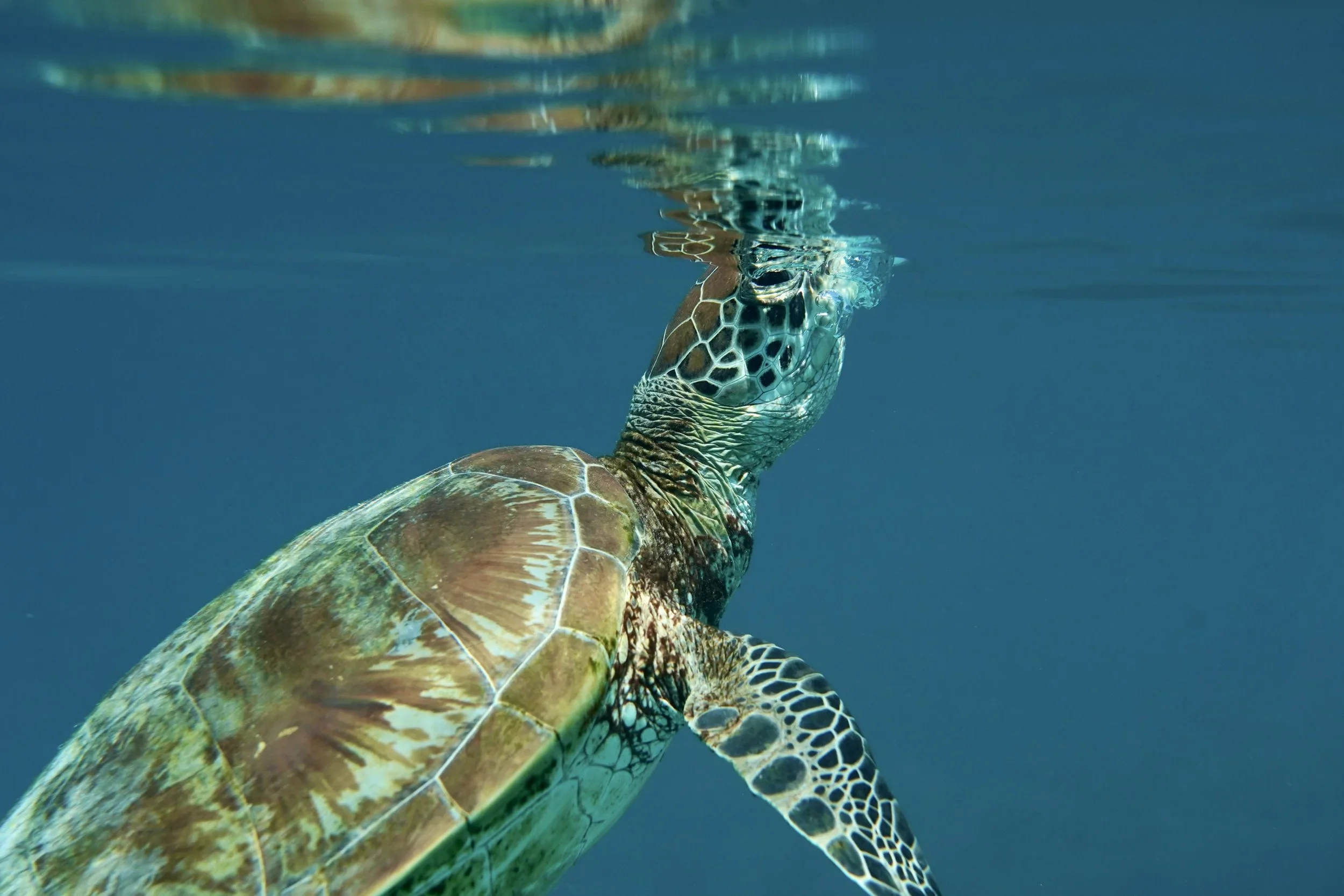
VULNERABLE
Green Turtle
The most commonly spotted species at Cook Island. Green turtles graze on seagrass beds and play a vital role in maintaining healthy reef ecosystems. They can live for over 80 years.
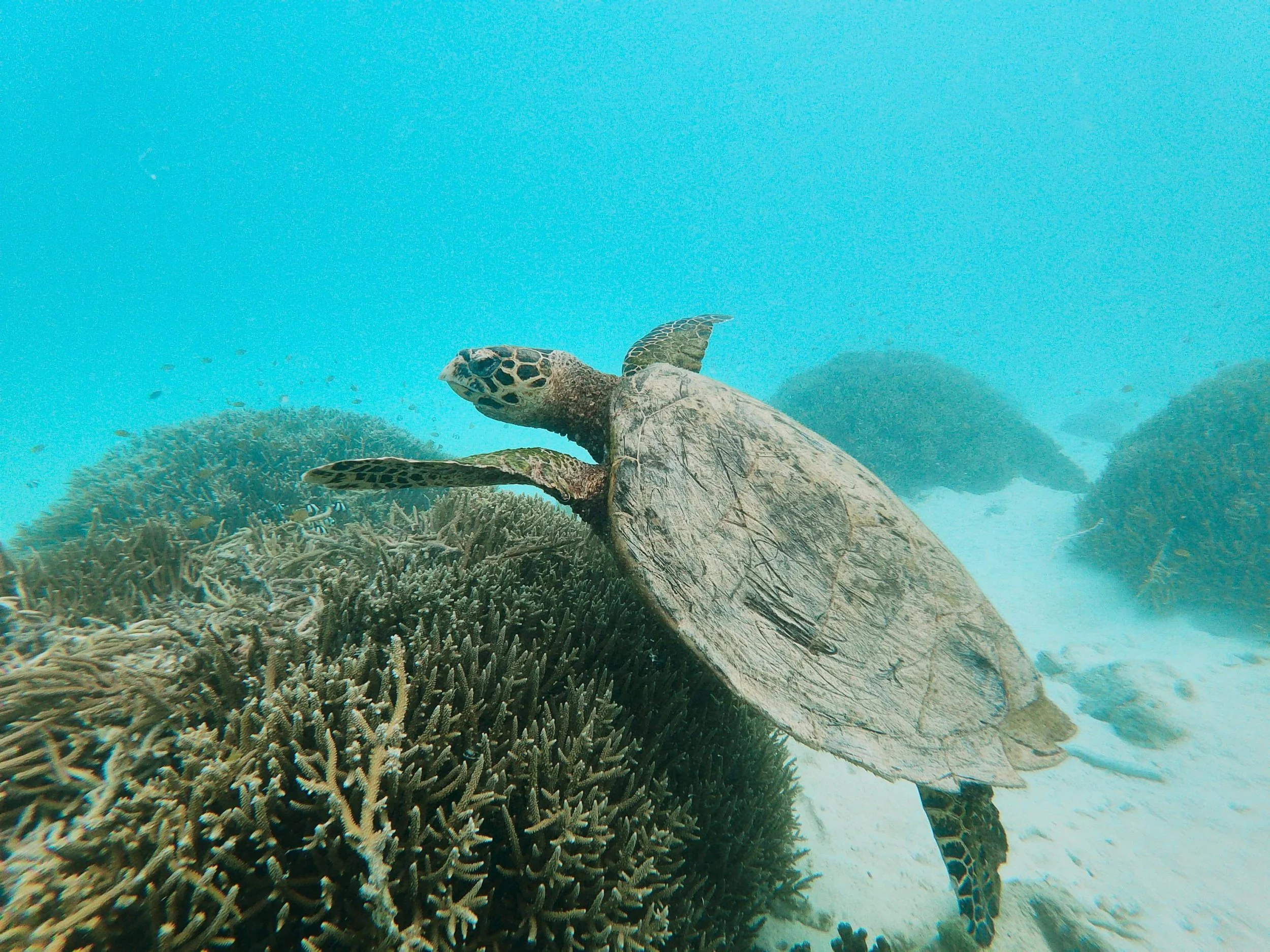
ENDANGERED
Hawksbill Turtle
Named for their distinctive narrow beak, Hawksbills are critical to coral reef health they feed on sponges that would otherwise smother the coral. Globally one of the most threatened sea turtles.
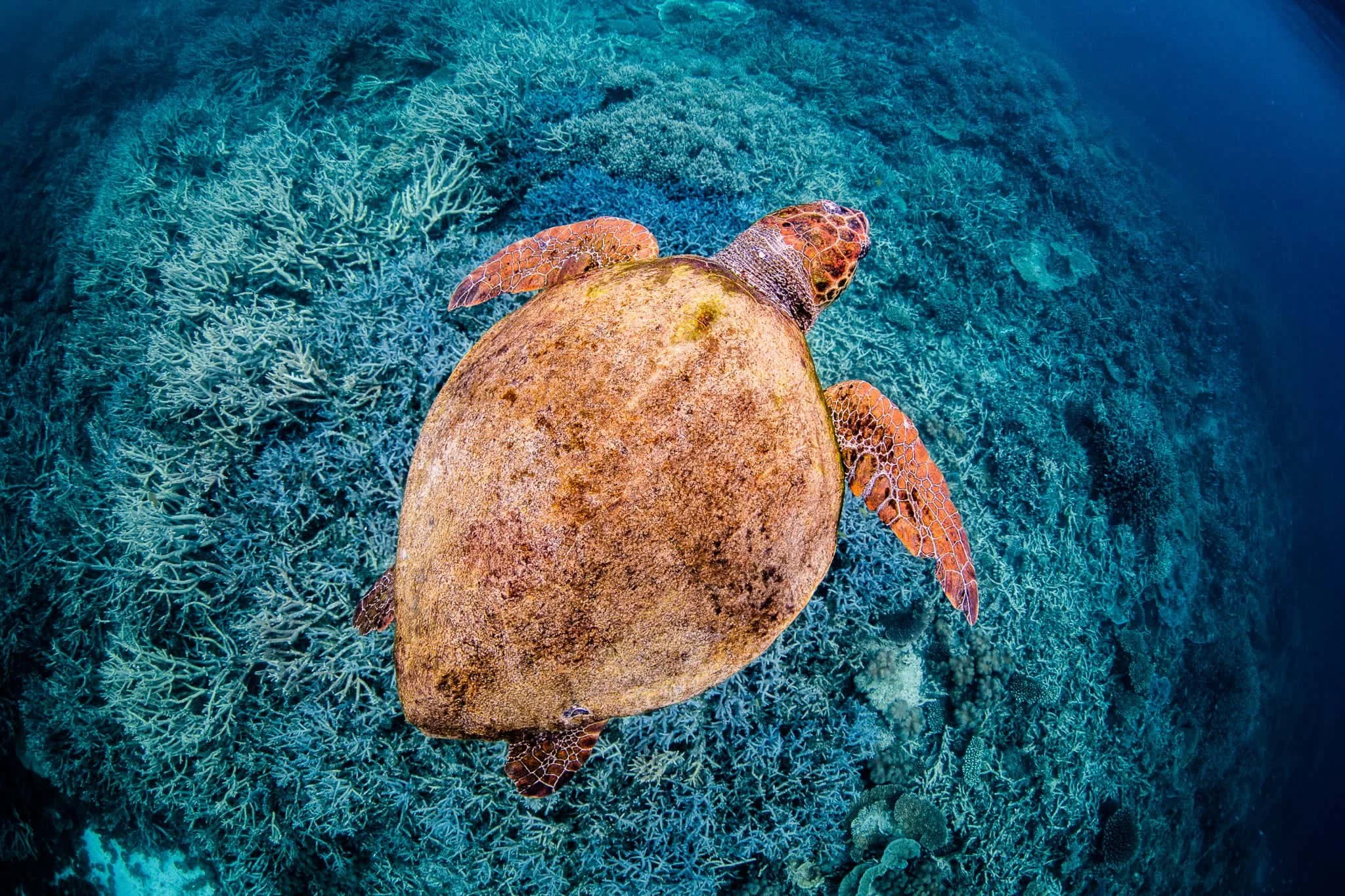
CRITICALLY ENDANGERED
Loggerhead Turtle
The largest of the three species at Cook Island, Loggerheads are powerful hunters of hard-shelled prey. Critically endangered, their presence at Cook Island makes every sighting significant.
WHAT WE ACTUALLY DO
Conservation in practice
It's easy to say we care about the ocean. Here's what that looks like in practice.
01
Responsible wildlife tourism
Small groups. Trained guides. A strict code of conduct. We operate with the reef's long-term health as the non-negotiable not visitor numbers. Our cap of 10 guests per tour exists for a reason.
02
Threatened species monitoring
We assist Green Heroes, our local conservation organisation on ongoing monitoring of threatened species within the Cook Island Aquatic Reserve, contributing to long-term population data for Green, Hawksbill, and Loggerhead turtles.
03
Contributing on every trip
Our guests don't just observe if they prefer they can help to contribute. We collect turtle ID data, reef health observations, and wildlife sighting records . We share our data with Green Heroes monitoring programs.
04
School & community education
We run school programs and community events that connect young people directly with marine conservation because tomorrow's ocean defenders are in classrooms today.
NOT-FOR-PROFIT-ORGANISATION
Green Heroes
Green Heroes is a not-for-profit conservation organisation based in Fingal Head, NSW the same stretch of coastline we've called home for 25 years. They're the conservation arm behind much of the on-ground work we support.
Through Green Heroes, guests, volunteers, and community members can go beyond a single tour and get involved in long-term marine protection contributing real time, skills, and energy to protecting this coastline.
Our snorkel courses, conservation events, and volunteering programs are all run in partnership with Green Heroes.
Threatened species monitoring
Assist with data collection and wildlife surveys in the Cook Island reserve
Marine fieldwork
Work alongside marine guides and on real conservation projects
Community education
Support school programs, events, and public ocean awareness campaigns
Coastline care
Hands-on environmental stewardship of the Fingal Head and Tweed coastline
TURTLE CODE OF CONDUCT
Cook Island is a protected aquatic reserve. We take responsible wildlife interaction seriously not as a legal obligation, but because we genuinely care about the animals we share the water with. Every guest is briefed before entering the water.
How to share the water
with wildlife
RULE 01
Never touch
Turtles are wild animals. Touching them causes stress, can damage the protective coating on their shell, and disrupts their natural behaviour. Observe don't interact.
RULE 02
Don't chase or approach from above
et turtles come to you. Approaching from above mimics predator behaviour and causes them to flee. Stay horizontal in the water and move slowly.
RULE 03
Avoid flash photography
Flash disorients turtles and can affect their navigation. Natural light photography preferred you'll find the results are far better anyway.
RULE 04
Keep a respectful distance
Give turtles at least 2 metres of space at all times. If a turtle approaches you on its own terms, stay still and enjoy the moment
RULE 05
Nothing in, nothing out
Leave the reef exactly as you found it. No shells, coral, or sea life removed. No sunscreen, food, or waste introduced into the water.
RULE 06
Respect the reserve
Cook Island is a cultural site for the Bundjalung people. Enter with care and gratitude for what this place is a living, breathing ecosystem that was here long before us.
VIDEO GUIDE
How we protect turtles
in the water
Conservation doesn't stop when guests enter the water. Our ocean guides demonstrate the turtle code of conduct on every single tour — showing guests firsthand how to share the reef responsibly with endangered wildlife.
Come and be part
of something bigger
Every tour supports the conservation of Cook Island. Book a snorkel, join as a volunteer, or get in touch to find out how your group can get involved.