

Guide to snorkeling with the turtles at Cook Island
Lets jump in
So you've never snorkeled before - or maybe you've tried once and spent most of it with a leaky mask, swallowing seawater, and wondering what all the fuss was about. Either way, you're in the right place.
Cook Island Aquatic Reserve is one of the best places in Australia to try snorkelling for the first time. Most of the time the water is protected from swells and winds, visibility is consistently excellent, and the marine life - including resident green and loggerhead sea turtles - is genuinely extraordinary. After 25 years of introducing beginners to the underwater world here, our snorkel supervisors have seen every common mistake and helped thousands of first-timers have the experience of their lives.
This guide covers everything you need to know before you get in the water.
Do I Need to Be a Strong Swimmer?
This is the question we get asked most often, and the honest answer is: not really.
Cook Island sits in a protected aquatic reserve with generally calm waters averaging around 3-10 metres in depth at the main snorkelling sites. You spend most of your time floating on the surface, not swimming hard. Our snorkeling supervisors provide flotation options for anyone who wants extra confidence in the water, and our PADI-qualified crew are always there if you need them.
If you can swim comfortably, you can snorkel at Cook Island. If you're not confident in open water, just let us know when you book - we'll make sure you have everything you need to feel safe and comfortable.
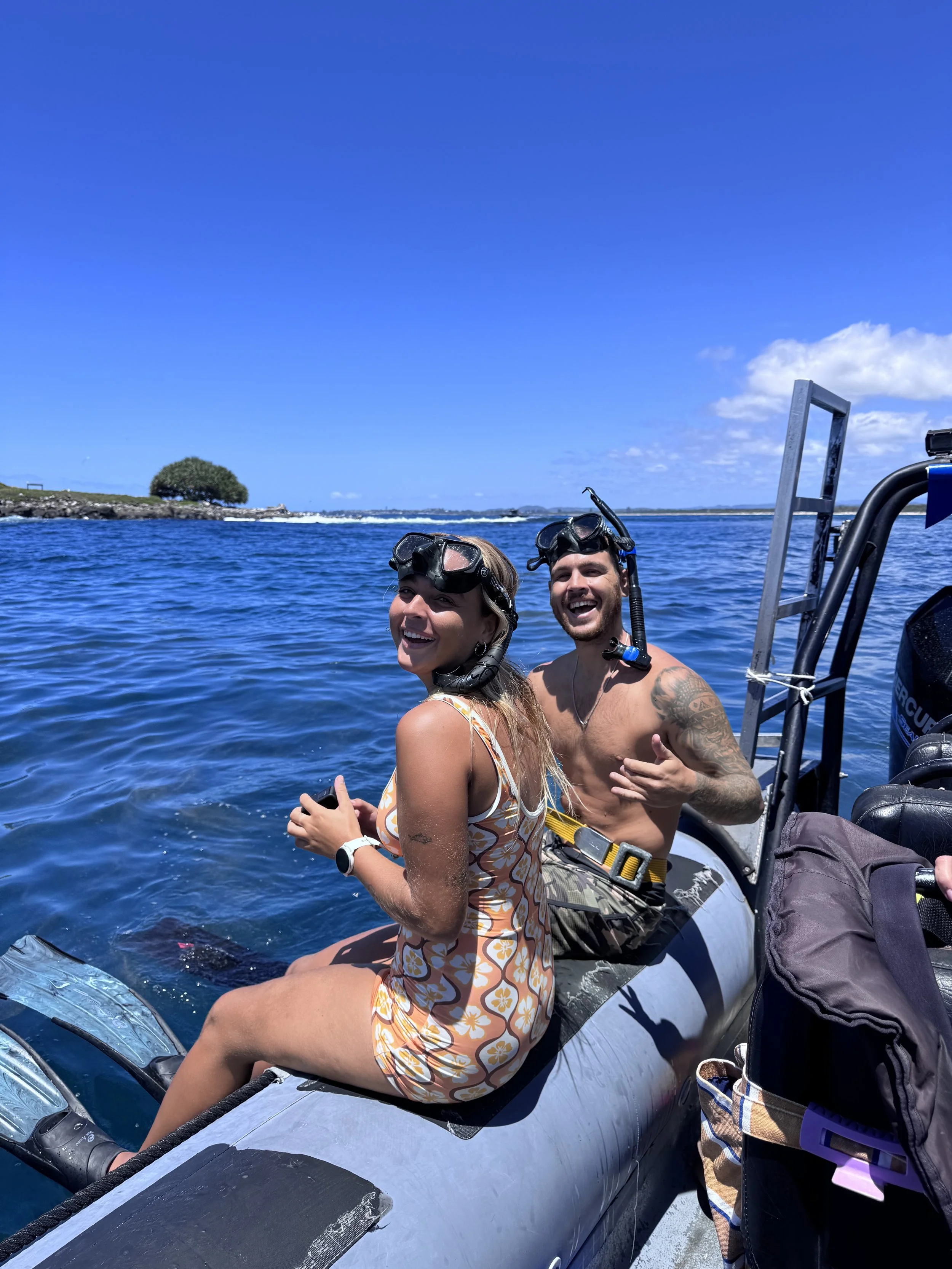
The Gear: What You Actually Need
All snorkelling gear is provided on our tours, so you don't need to bring anything. But understanding your equipment before you get in the water makes a huge difference to your experience.
The mask
Your mask is the most important piece of gear. A properly fitted mask creates a watertight seal around your face so you can see clearly underwater without water leaking in. Here's how to check the fit before you enter the water:
Hold the mask to your face without using the strap and breathe in gently through your nose. The mask should suction lightly to your face and stay in place when you let go. If it falls, it's the wrong size or shape for your face.
Once in the water, the most common beginner issue is a fogging mask. To prevent this, our crew apply a small amount of defog solution before you enter the water. Avoid touching the inside of the lens with your fingers - the oils from your skin cause fogging.
The snorkel
We provide dry snorkels on all tours. This is a game-changer for beginners.
The snorkel mouthpiece sits comfortably between your teeth and lips. You breathe slowly and steadily through it - in and out through your mouth only, with your nose inside the mask. It feels slightly strange at first, but within a few minutes it becomes completely natural.
Fins
Fins are not optional - they're essential. They give you effortless propulsion through the water using your large leg muscles, which means you conserve energy and can stay in the water longer. The trick is to use slow, wide kicks from the hip, not fast flutter kicks from the knee. Imagine you're pushing water backwards, not splashing it.
Make sure your fins fit snugly but not tightly. Feet shrink slightly in cooler water, so a firm fit on land is important.
Wetsuits
We provide wetsuits on all tours. Water temperatures at Cook Island range from around 19°C in winter (June-August) to 26°C in summer (Nov-April). Even in summer, a wetsuit provides UV protection, keeps you warmer during extended time in the water, and adds a small amount of buoyancy - all of which make the experience more comfortable.
Before You Get In: The Three Things That Make the Biggest Difference
1. Breathe slowly
This is the single most important thing. Snorkelling requires slow, deliberate breathing. Its ok to breathe quickly in the beginning - which happens when you're nervous or excited. Eventually your breathing will slow down. Take three slow, deep breaths before you put your face in the water. Once you're floating, focus on making each breath long and relaxed. Your body will follow.
2. Float, don't swim
Most beginners try to swim hard, which burns energy and stirs up the water around them, scaring off marine life. The goal is to float as still as possible and let the ocean do the work. Use your fins for gentle directional movement only. When you find a turtle or a school of fish, stop kicking entirely and just drift. You'll see far more, and the animals will come closer.
3. Clear your mask
If water gets into your mask - which happens to everyone - don't pull it off. Press the top of the mask firmly against your forehead, tilt your head back slightly, and blow out through your nose. The water drains out the bottom seal. Practice this in shallow water before heading out to the reef.
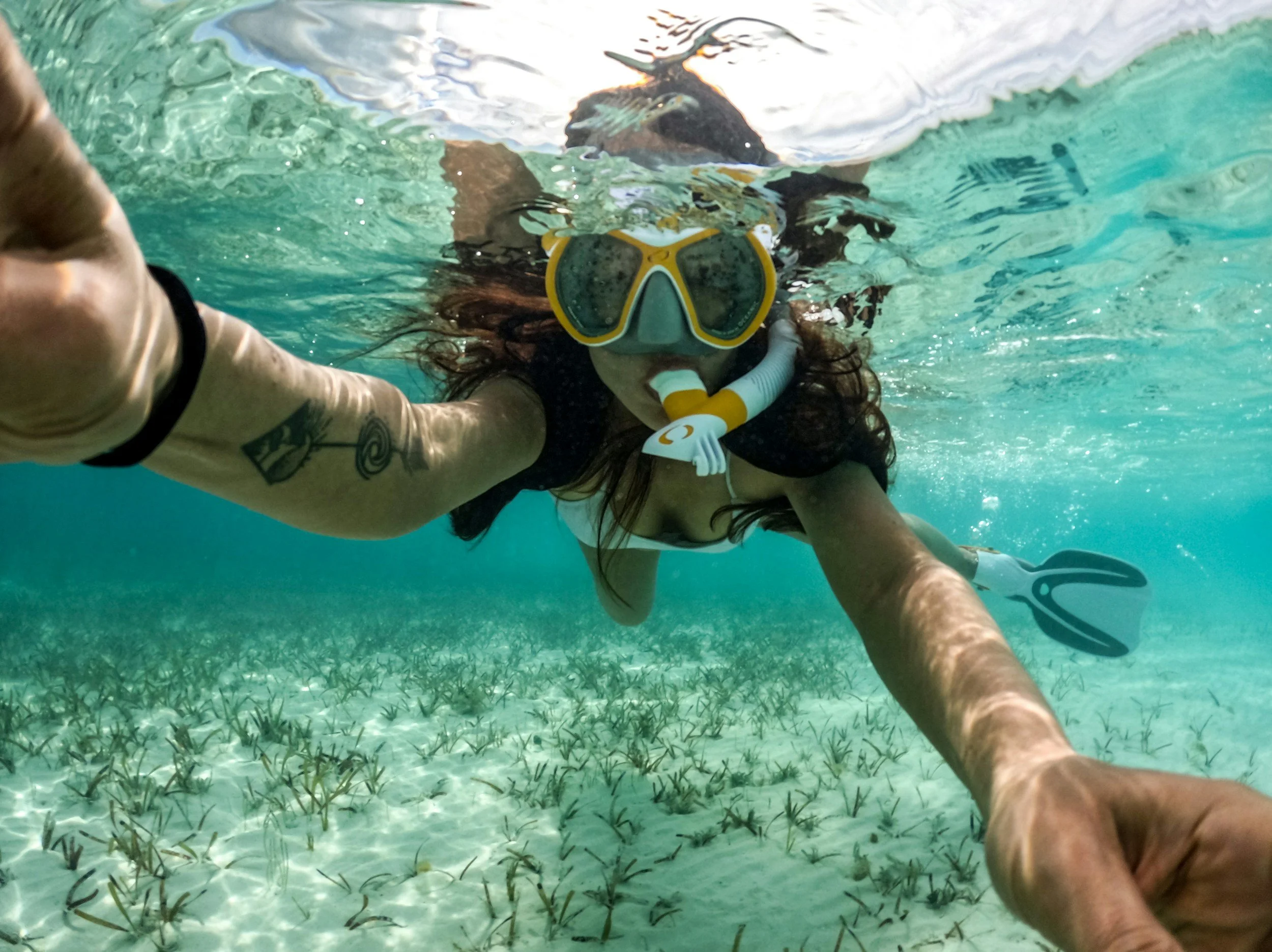
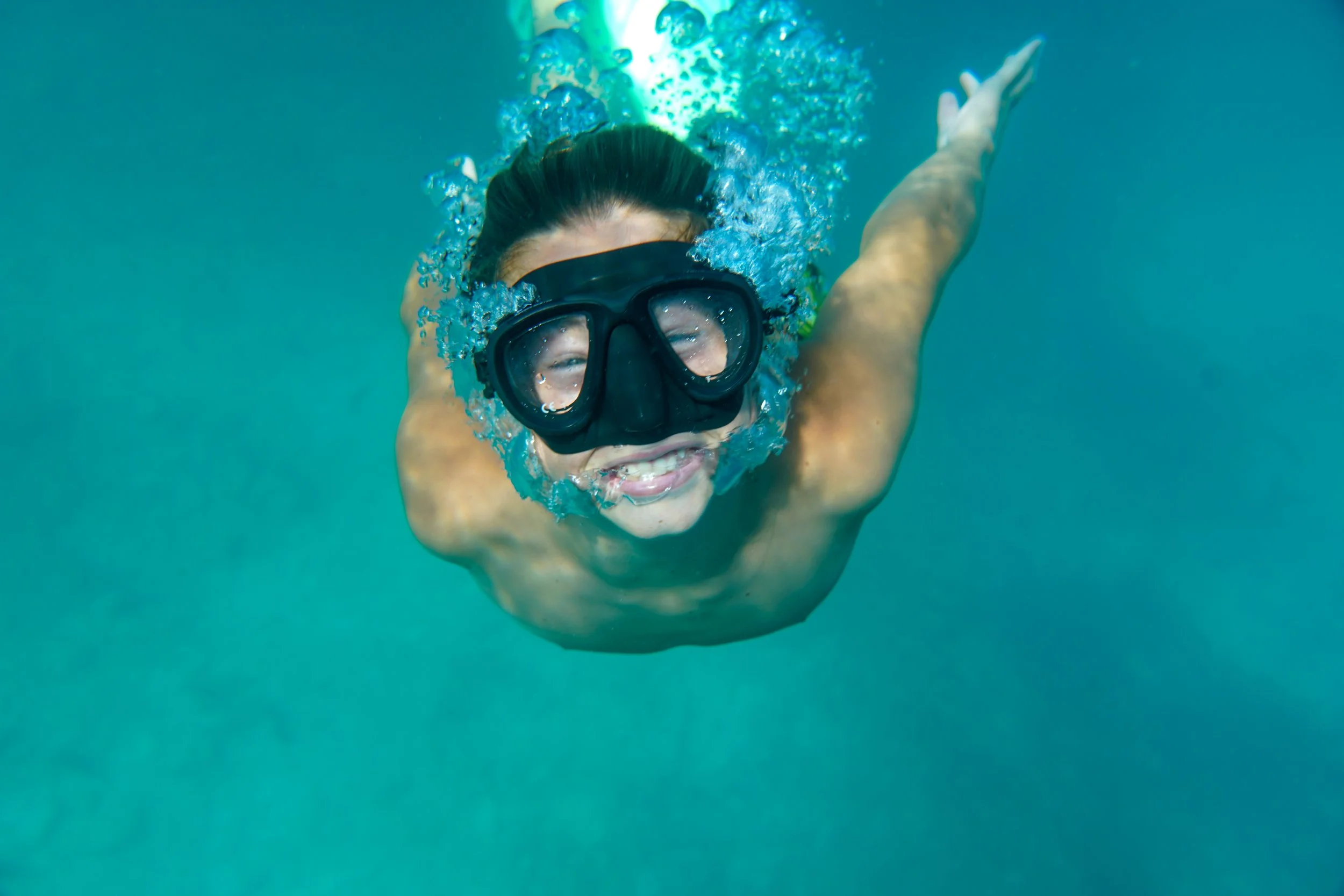
What You'll See at Cook Island
Cook Island Aquatic Reserve is home to one of the most diverse marine ecosystems on the east coast of Australia. Here's what to look for:
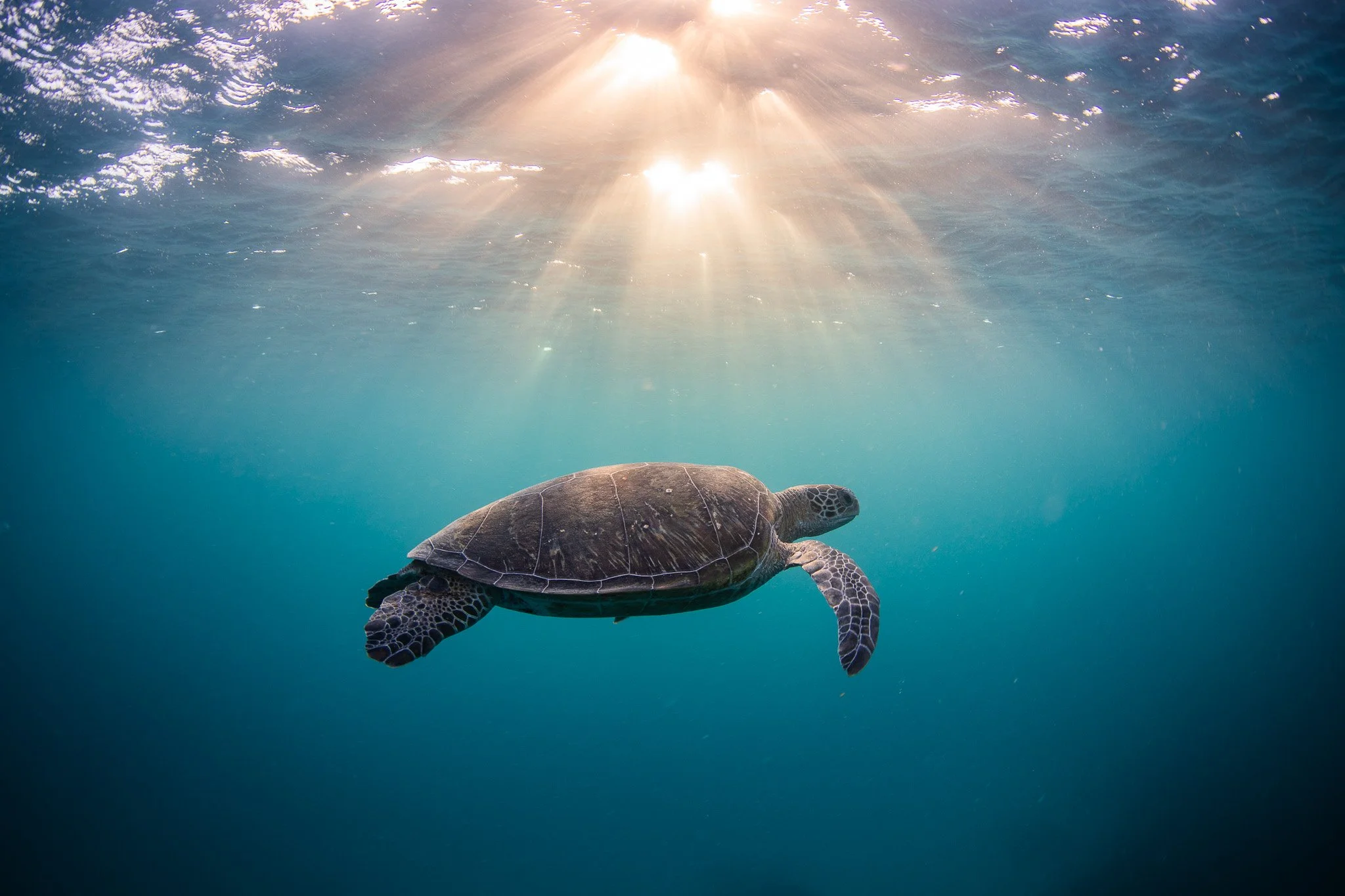
Sea turtles - Green and loggerhead turtles are resident at Cook Island year-round. They're often found resting on the sandy bottom or grazing on seagrass near the reef edges. Move slowly, stay calm, and give them space - they'll often swim directly past you.
Wobbegong sharks- These carpet sharks rest motionless on the reef floor and are completely harmless to snorkellers. They're camouflaged and easy to miss, but once you spot one you'll realise they're everywhere. A highlight for most guests.
Leopard sharks - Spotted in the warmer months, these slender, spotted sharks cruise gracefully along the sandy bottom. Shy and non-aggressive, they're one of the most beautiful things you'll see in Australian waters.
Eagle rays and manta rays - Large, wing-like rays that glide through the water column. Spotting one overhead is a genuinely spine-tingling moment.
Reef fish- Hundreds of species including wrasse, parrotfish, surgeonfish, and schools of silver bream that part around you as you float through them.
Humpback whales (June-November) - During whale season, you may hear whale song resonating through the water while you snorkel. It's one of the most extraordinary sounds in the natural world.
What to Bring on the Day
We provide all snorkelling gear, wetsuits, and flotation equipment. From your end, pack:
Swimwear (wear it under your clothes )
Reef-safe sunscreen (regular sunscreen damages coral - we recommend applying before you leave home so it's fully absorbed before you enter the water)
A light jacket or layer for the boat ride (mornings on the water can be cool, especially in winter)
A towel
Water and a snack
An underwater camera or GoPro if you have one - you'll want it
What to Expect on the Day
Our tours depart from Tweed Heads and travel up the scenic Tweed River before heading out to Cook Island - a journey of around 15-20 minutes by boat. Keep an eye out on the river for sea eagles, dolphins
Once at the island, your guide will give a full briefing on the water before anyone enters. We cover mask fitting, how to use your snorkel, fin technique, and what to do if you feel uncomfortable. Nobody enters the water until they feel confident and ready.
Time in the water is typically 45-60 minutes, . We operate small-group tours so you're never lost in a crowd, and our crew know exactly where the turtles like to rest.
A Note on Turtle Etiquette
Cook Island is a protected aquatic reserve, and the turtles that live here are wild animals. Please follow these guidelines:
Do not touch or chase turtles - let them come to you
Do not stand on or touch the coral reef
Do not feed any marine life
Use only reef-safe sunscreen
If a turtle surfaces for air near you, give it clear space - it needs to breathe
These animals have been at Cook Island for decades. Treating them with respect is what keeps them here for future generations.
Turtle Code of Conduct
Ready to Give It a Go?
Cook Island is the perfect place to snorkel for the first time. The conditions are ideal, the marine life is extraordinary, and our guides have spent 25 years making sure every guest - regardless of experience or confidence - has an experience they'll talk about for years.
No experience necessary.